

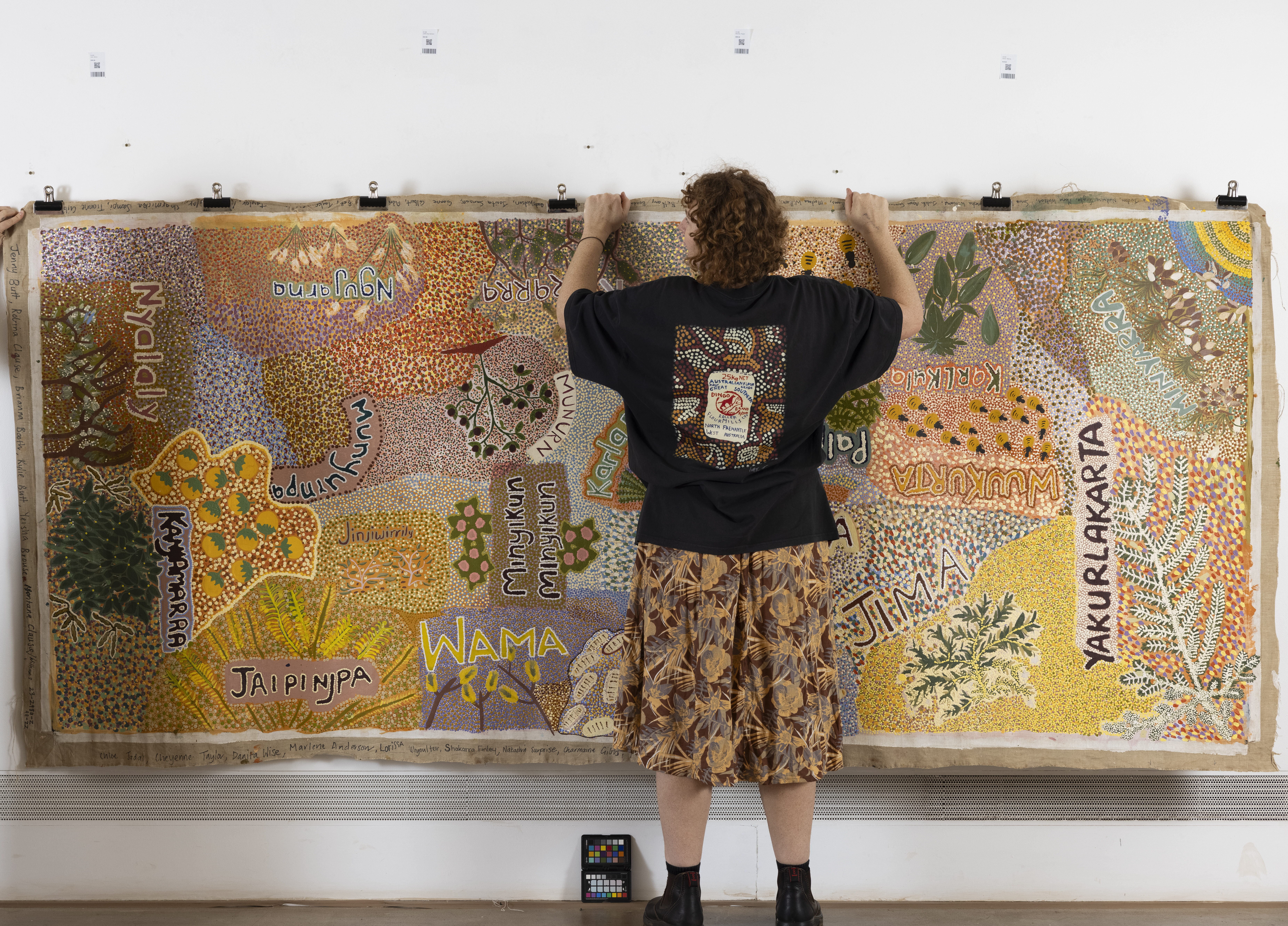
Martumil’s Legacy Collection- encapsulating the art centre’s history
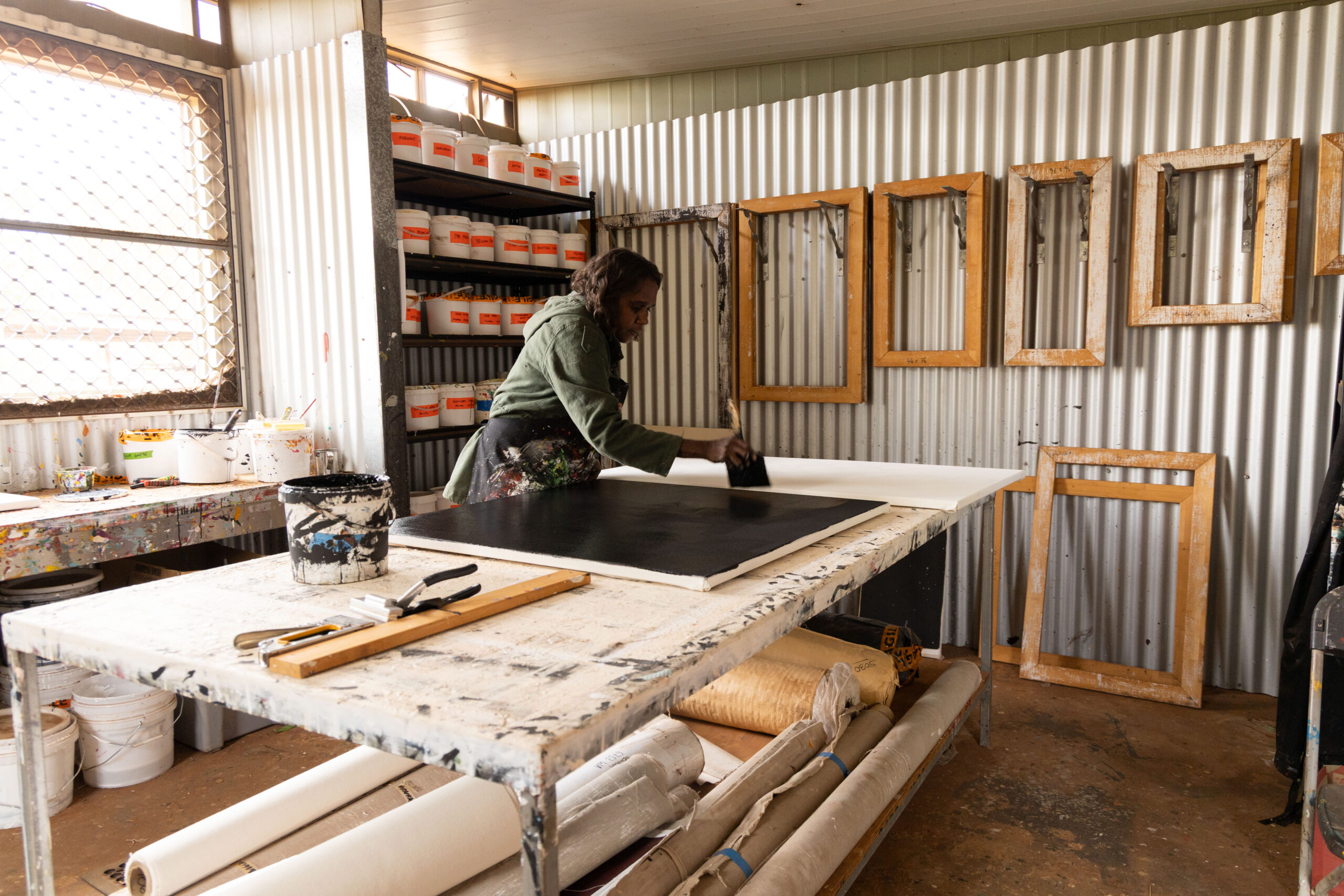
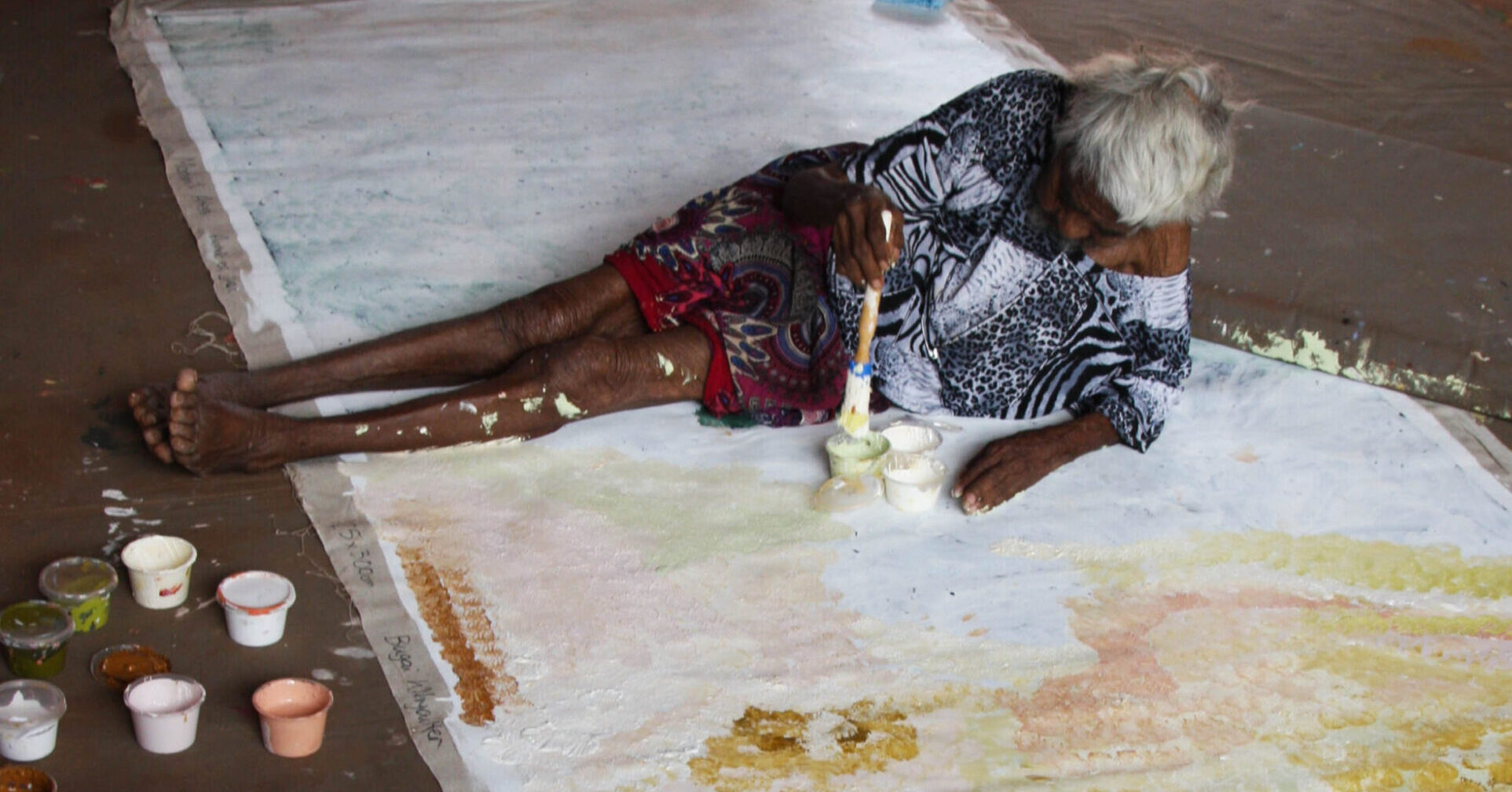
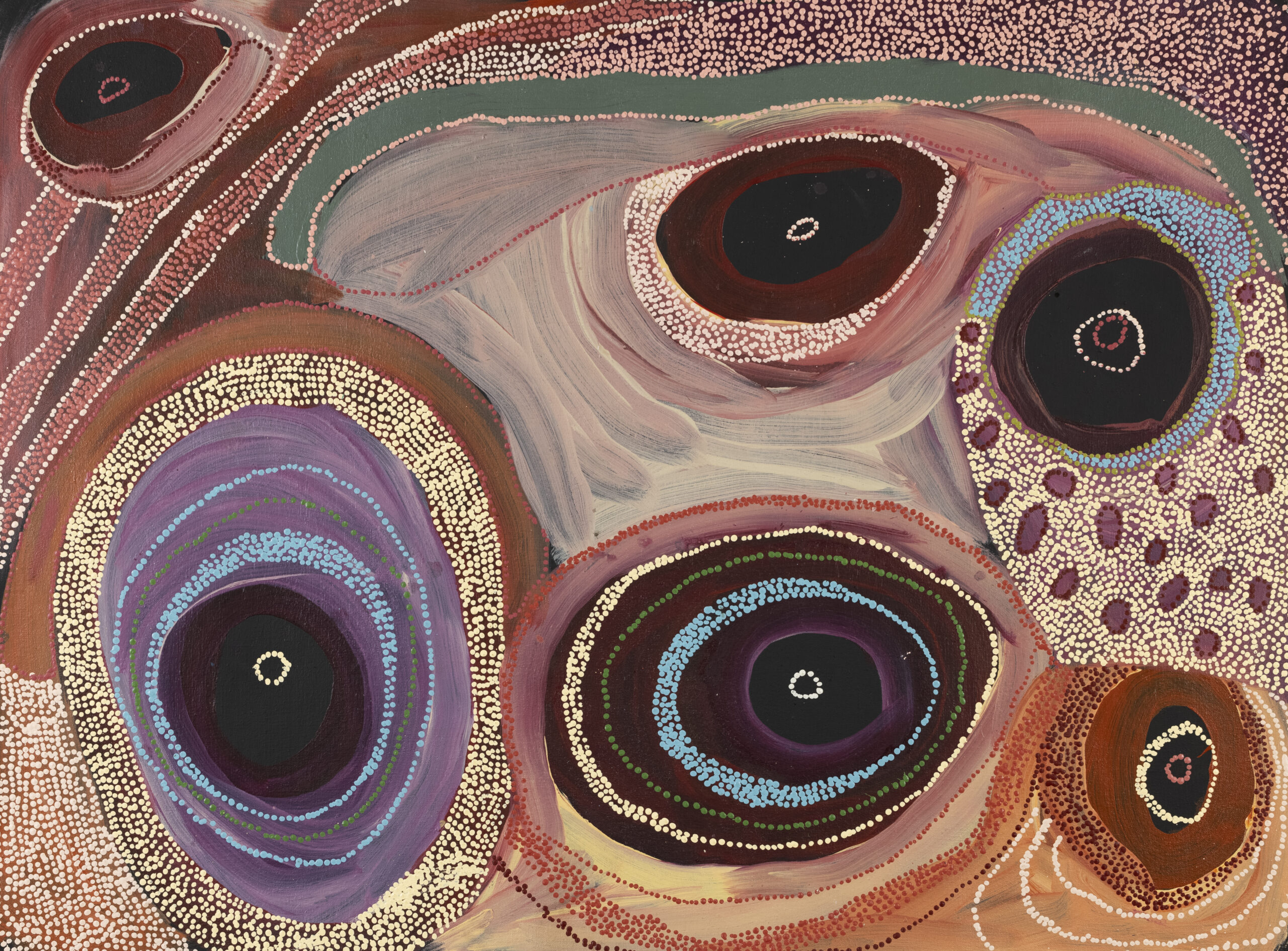
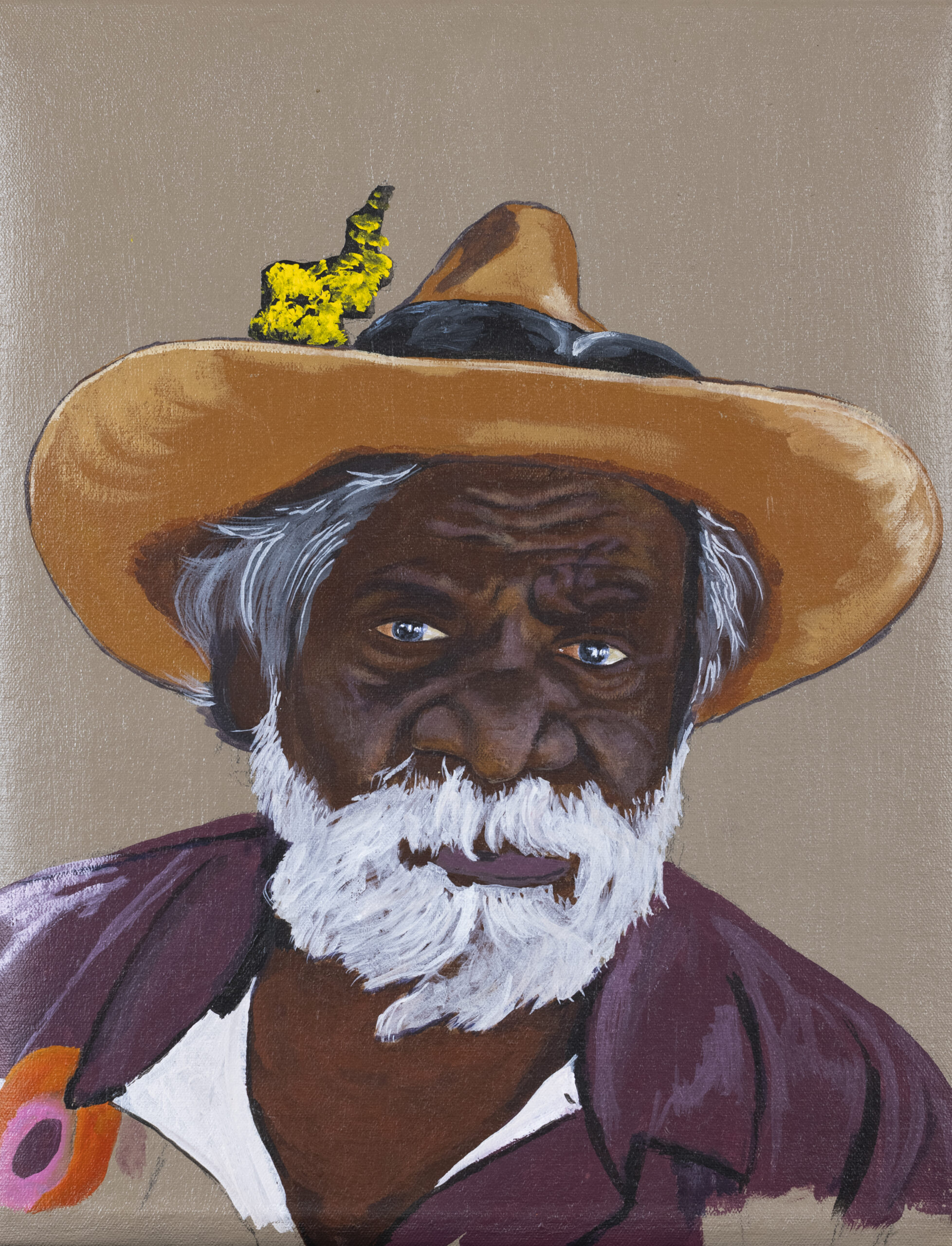
One of the most important things Martumili Artists- and indeed every Aboriginal art centre- does, is record stories of culture, place, and personal histories. Part of this is intrinsic- artworks are a storytelling medium in and of themselves. Another aspect is the documentation of artist biographies and artwork stories that accompany these works. Together, the artworks created and stories created within Martumili also tell the history of the art centre itself. Over time, many of these works have found homes in galleries and private collections around the world. The long-established, but more recently reinvigorated Legacy Collection project is about ensuring that some of the most significant works remain with Martumili, creating a lasting record for future generations.
The Legacy Collection has grown organically over many years. According to Martumili Artists Manager Amy Mukherjee, it began almost by accident, when an artwork storage upgrade project became an opportunity to ‘dust off’ and expand the existing collection of works begun with the art centre’s inception. As Amy explains, “Technically, the collection itself started long ago—the first works ever created before and during the art centre’s establishment. Many [of these works] are by some of our most famous artists.”
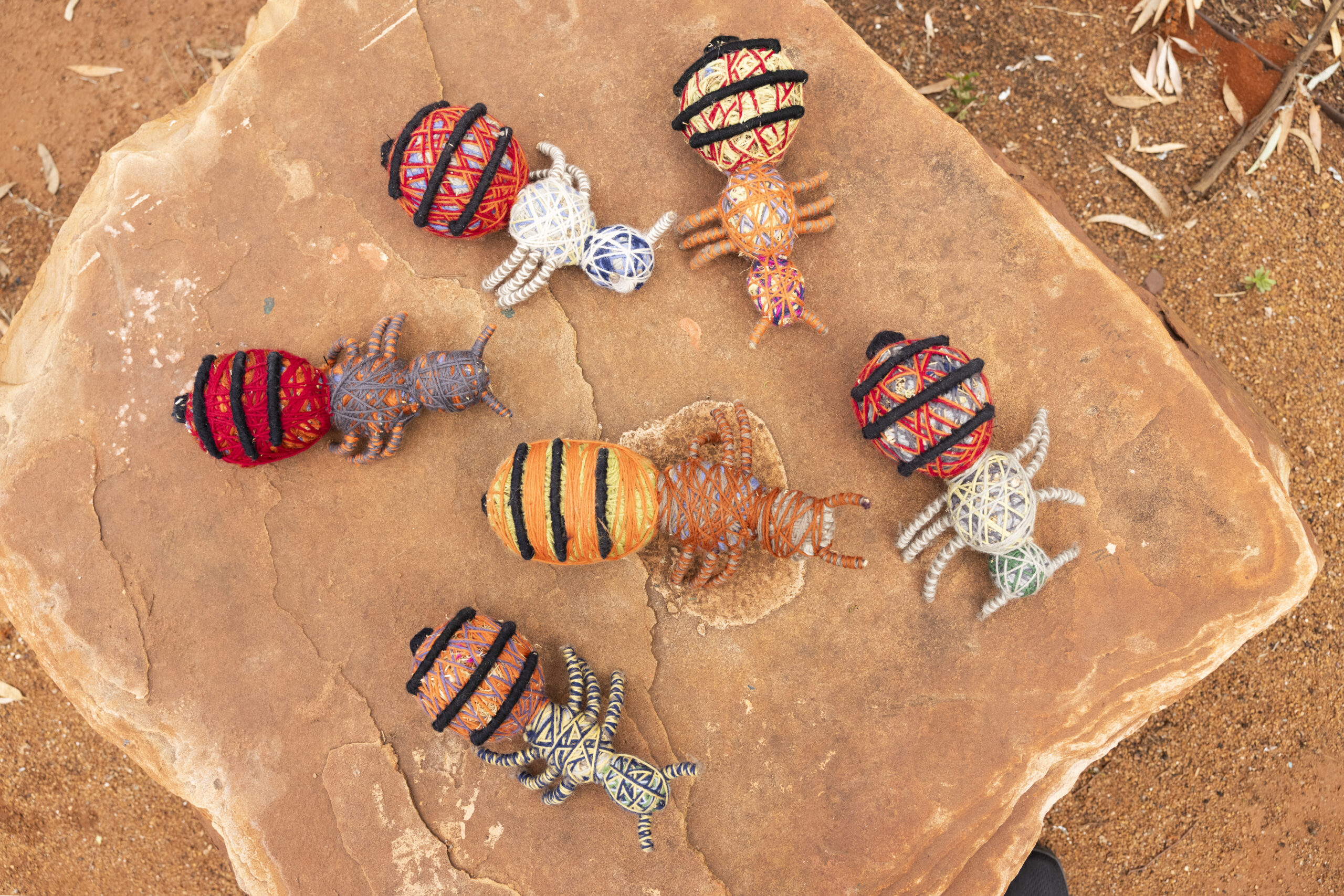
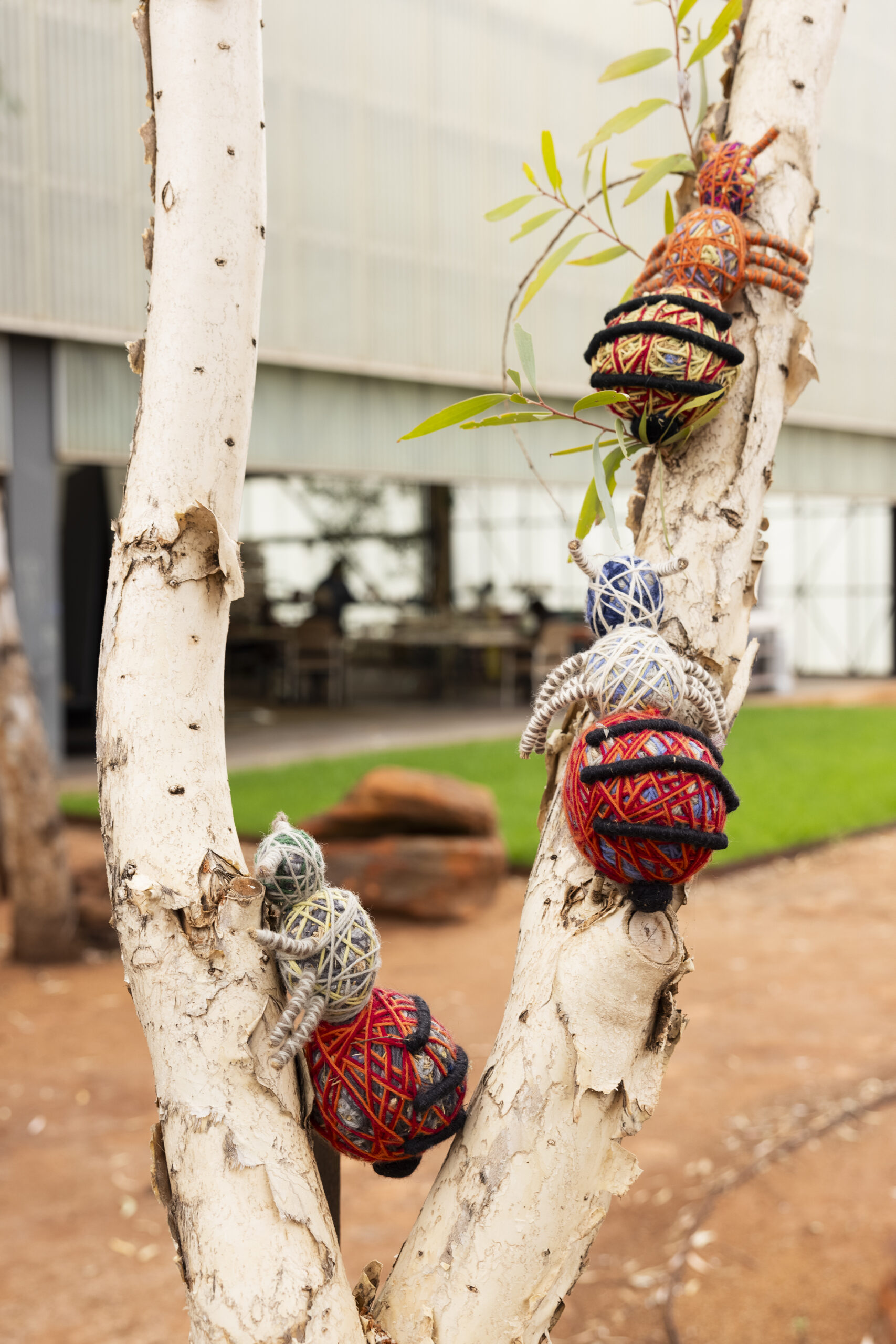
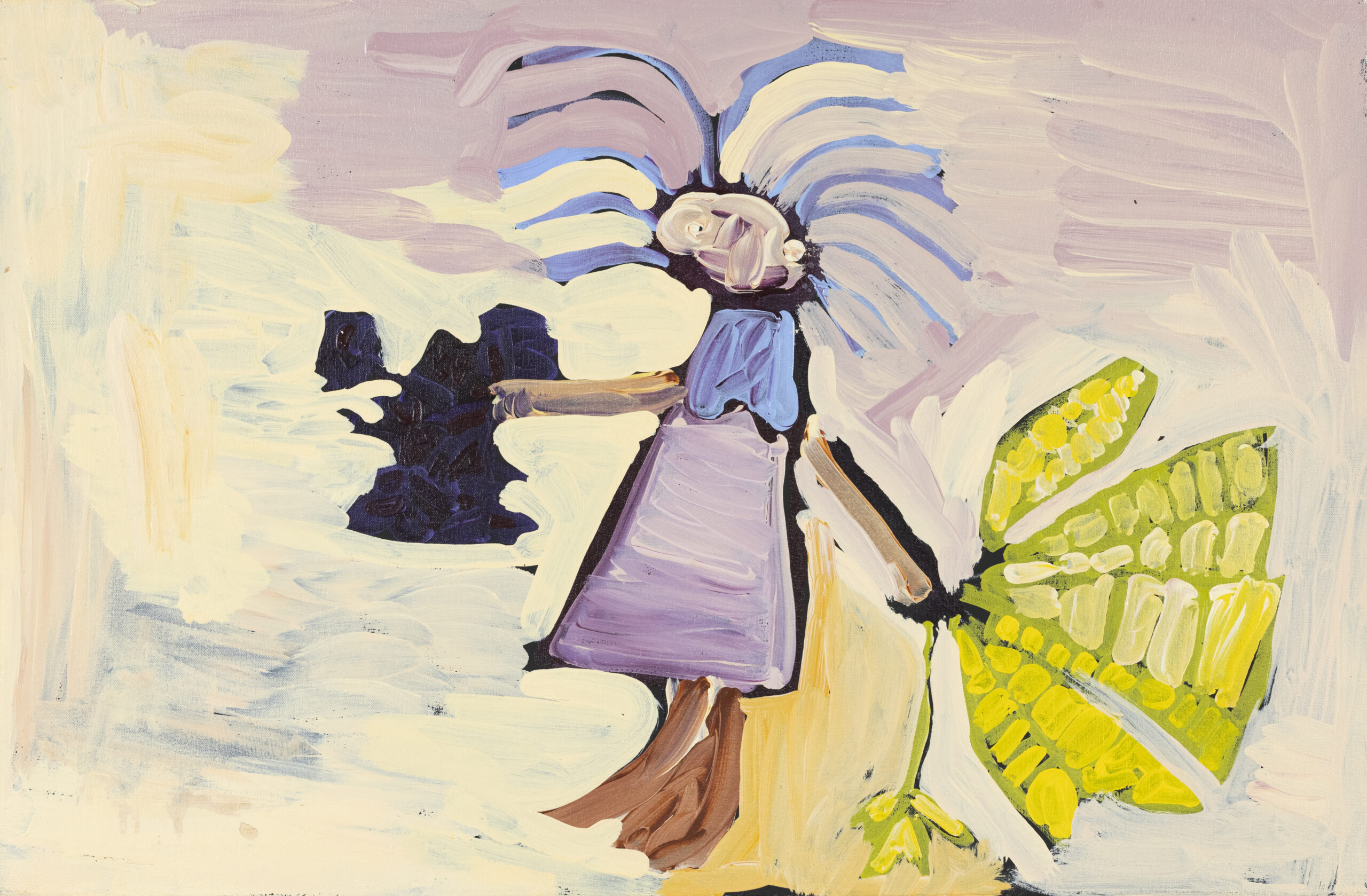
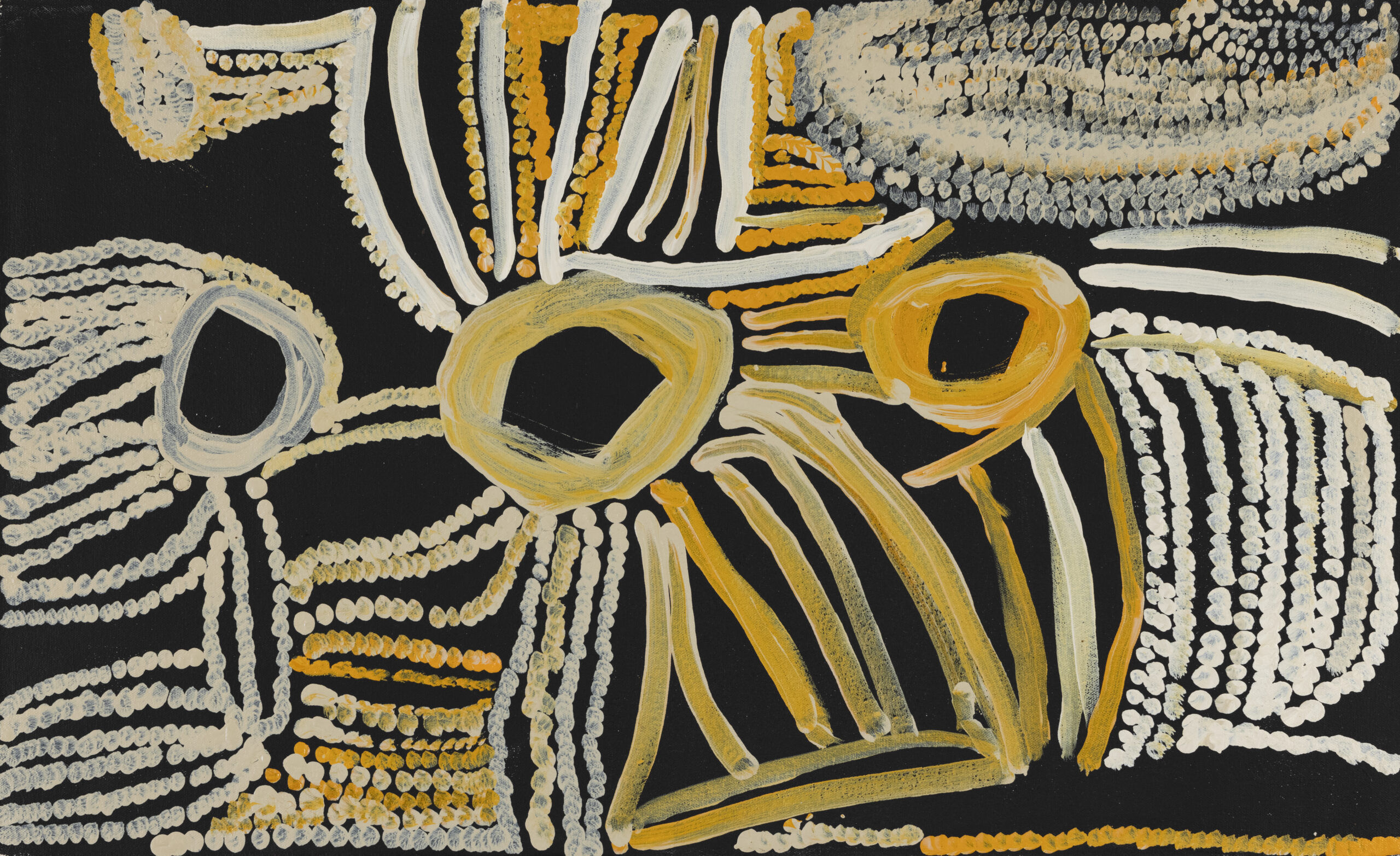
Today, the collection continues to evolve as Martumili acquires selected works that reflect the breadth of artists, stories and artistic practices across the organisation and through its history. More than 70 artists are represented in the collection of more than 240 works. While paintings make up the majority of these works, the collection also includes carvings, woven baskets, photographs, works on paper and even felted works.
The collection also has the potential to reach wide and varied audiences. As Amy explains, similar to the Artbank model, individual works could be loaned to hotels and corporate organisations, while smaller thematic collections could be curated for touring exhibitions. A bigger-picture, future “pie in the sky” idea is the development of a major retrospective exhibition that documents Martumili’s history. Project Support Officer Cassie Page, who has played a central role in organising the growing collection, described how, “instead of just sitting in the Legacy [artwork storage] racks, these artworks will be available for people to see… It’s actually really exciting – I really do enjoy working on the Legacy Project.”
The collection also serves other important purposes- providing artists and their families with income, and “ensuring future generations have access to the stories of loved ones who have passed” (Amy Mukherjee). In support of this goal, works are acquired from the estates of deceased artists that are not destined for public collections. In addition, works are acquired from Martumili’s three-year cultural knowledge project, Warrarnku Ninti, which is planned to form a future touring exhibition. Over the past two years, more than $60 000 has been paid to artists and their families for works acquired through the project.Like all of Martumili’s projects, careful documentation and best practice processes underpin the Legacy Collection behind the scenes. For Cassie, this has meant plenty of “updating spreadsheets and collections… Another part of my job has been going back and ensuring artworks purchased by us in the past were purchased correctly.”
While there are still many dreams for what the collection could become, Amy sees this as just the beginning. “We have dreams—and pending funding applications—about allowing us to further develop the information, refresh storage facilities and curate content that accompanies the collection,” she says. “But regardless, the Legacy Collection is an important asset of the art centre that we will continue investing in through annual acquisitions.”
This sense of continuity permeates the project as a whole, honouring the artists who established Martumili, celebrating those who continue to paint today, and ensuring that future generations will be able to experience the stories, creativity and cultural knowledge that have shaped the art centre since its very beginning.
Words by Ruth Leigh
Image Credits: Bo Wong